
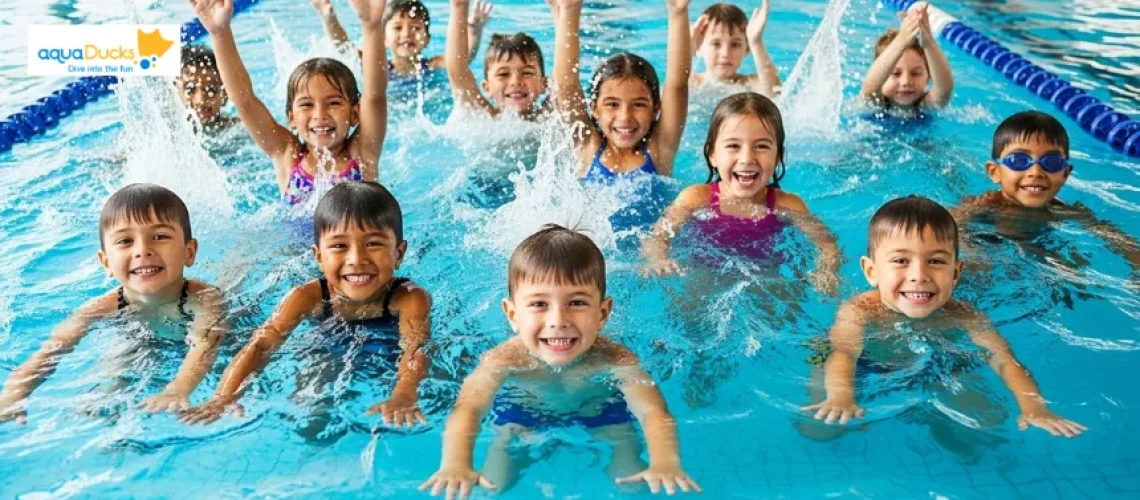
Most kids love being in the water. Whether it’s splashing in a pool or playing at the beach, water brings excitement and fun. But many children don’t naturally know how to stay safe once they step in. Without basic swimming skills, even simple water activities can become dangerous for young children.
Kids’ swimming lessons help children feel comfortable and confident in the water. Step by step, they learn how to move safely while discovering the many benefits of swimming, including stronger safety skills, growing confidence, better fitness, and improved emotional well-being. Over time, swimming becomes more than just play; it becomes a life skill that helps children feel secure, capable, and ready to enjoy the water safely.
Here’s how swimming lessons support your child’s safety and overall development, both in and out of the water.
1. Safety First: Reducing the Risk of Drowning
For many parents, water safety for children is the main reason to start swimming lessons early. Enjoying the water doesn’t automatically mean a child knows how to respond if something unexpected happens.
Swimming classes for children teach practical skills such as floating on their backs, staying afloat, and safely reaching the pool edge. Instructors guide children step by step, helping them control their breathing and understand how their bodies move in water. These essential water safety skills help turn risky situations into manageable ones, giving families peace of mind.
2. Builds Confidence and Independence
Learning to swim gives children a strong sense of achievement. Progress comes through small but meaningful milestones, putting their face in the water, moving without support, or completing a short swim on their own.
As their abilities grow, children become more independent in the pool, making decisions and trying new techniques. This confidence often carries into everyday life, helping them approach new challenges with curiosity and self-belief.
3. A Fun Way to Stay Active and Build Strength
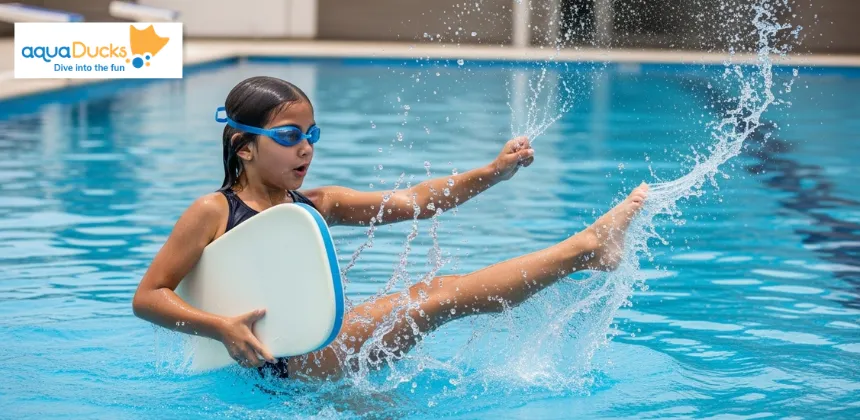
Swimming is a fun and effective way to keep kids active. Kicking, floating, and gliding help build strength, coordination, and stamina, all while feeling like play rather than exercise.
Starting early with toddler swimming lessons helps children develop healthy habits and enjoy physical activity from a young age.
4. Encourages Social Interaction
Swimming lessons create a positive environment where children interact with others. They learn to take turns, communicate, and support their peers.
These shared experiences build social confidence and help children develop important interpersonal skills that extend beyond the pool.
5. Boosts Brain Development and Emotional Well-Being
Swimming challenges children to coordinate movement, breathing, and focus, which supports cognitive development. At the same time, water has a calming effect that helps kids relax and manage their emotions.
Regular lessons give children a safe space to build patience, adapt to challenges, and develop emotional resilience.
6. Personalised Learning for Faster Progress
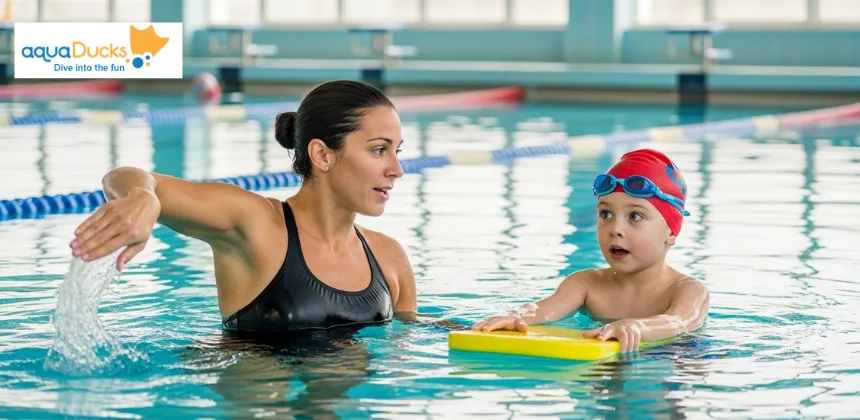
Every child learns at their own pace. Private swimming lessons offer one-on-one attention, allowing instructors to tailor activities to each child’s needs.
This personalised approach helps children feel more comfortable, build confidence faster, and make steady progress, especially for beginners or those who feel nervous in the water.
If you want to give your child extra attention and help them grow confidently in the water, check out Aquaduck’s private swimming lessons in Singapore, where personalised coaching builds skills in a supportive environment.
7. Builds Discipline and a Sense of Achievement
Swimming teaches children that progress takes time. Learning new skills, like floating, breathing control, or coordinated strokes, requires patience, practice, and consistency.
By following instructions and working through challenges step by step, children develop discipline and learn not to give up easily. Each achievement, from small improvements to bigger milestones, builds a sense of pride and accomplishment that carries into other areas of life.
8. Develops Balance and Body Awareness
Swimming naturally strengthens core muscles while challenging kids to coordinate arms, legs, and breathing. As children move through water, they gain a sense of how their body functions in space, improving balance and posture. These skills don’t just help in the pool; they support running, jumping, cycling, and virtually every sport or physical activity children try. Over time, this enhanced body awareness also boosts confidence in movement and reduces the risk of injuries.
Our preschool swimming lessons focus on independent skill development, helping children master strokes, improve coordination, and take pride in their accomplishments.
9. Supports Mental Well-Being and Relaxation
Swimming gives children a chance to slow down and reset. The rhythm of moving through water, combined with controlled breathing, creates a naturally calming effect.
After a lesson, many children feel refreshed, less stressed, and more focused. This mental reset can improve mood, reduce anxiety, and help children concentrate better on school and daily activities.
10. Encourages Lifelong Healthy Habits
Swimming helps children feel more comfortable in unfamiliar settings, especially around water. Whether it’s a new pool, a beach, or a school activity, they learn to adapt with confidence.
This ability to stay calm and adjust to new environments supports independence and helps children feel more secure in different situations.
11. Teaches Awareness Around Water Everywhere
Swimming lessons do more than teach strokes; they teach children to recognise water hazards in any setting. From pools to lakes, rivers, beaches, or water parks, kids learn to identify risks and respond appropriately. This awareness builds lifelong habits of caution, encouraging children to respect water safety rules, understand limits, and stay alert, all essential skills that reduce accidents in everyday life.
12. Sparks Fun, Creativity, and Family Connection
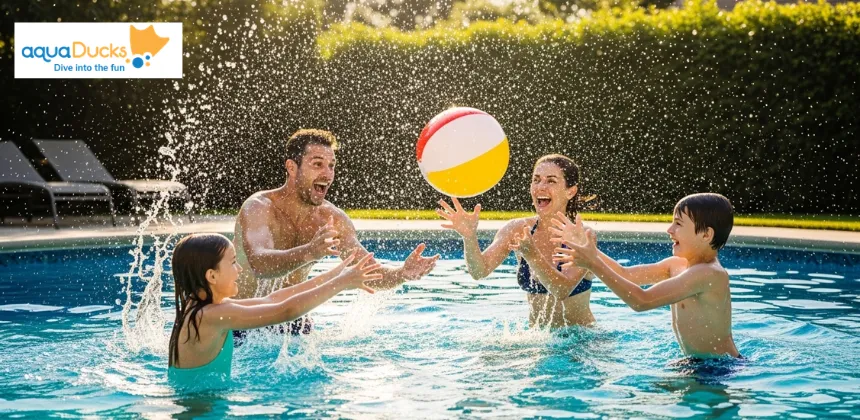
Swimming encourages imagination and play. Kids can explore new movements, create games, and enjoy the water in their own way.
It also creates meaningful family moments, whether it’s cheering from the side, joining in activities, or celebrating progress together.
Conclusion
Swimming lessons provide children with more than just the ability to move through water; they open doors to discovery, growth, and independence. By exploring water in a guided, supportive environment, kids develop problem-solving skills, adapt to new experiences, and cultivate curiosity and resilience. These lessons help children develop healthy routines, enjoy social connections, and embrace challenges with confidence.
Ultimately, swimming becomes a foundation for lifelong learning and well-being, giving children the tools to stay safe, remain active, and approach life with confidence and joy, both in and out of the pool.
If you want your child to learn essential swimming skills and enjoy the water safely, book a trial class with Aquaducks, a leading swimming school in Singapore, today!
FAQs
1. At what age should my child start swimming lessons?
Most experts suggest children can begin learning basic water skills when they’re around 3 to 4 years old, when they can follow directions and remember what they’re taught. Younger toddlers can still benefit from introducing them to water play and gradual skills, but formal lessons are usually most effective once they’re ready to learn safely and attentively.
2. How long does it take for a child to learn to swim?
There’s no set timeline because every child learns at a different pace. Some kids pick up basic swimming skills for kids quickly, while others take a bit longer. Regular lessons and practice help children retain what they learn and build skills steadily over time.
3. How often should my child take swimming lessons?
Children tend to improve fastest when they have consistent practice. Many instructors recommend 2–3 lessons per week, much like other skills like music or sports, so students can keep building on what they’ve learned and stay confident in the water.
4. What should my child bring to a swimming lesson?
Most lessons require just the basics: a properly fitting swimsuit, a towel, and perhaps goggles if the child likes them. Some children’s swimming programs provide teaching equipment like noodles or kickboards, but it’s always best to check with the swim school about what you should bring.
5. Can children with special needs or water fears still learn to swim?
Yes, many swim schools are experienced in teaching children with special needs or those who are nervous around water. Lessons can be adapted with gentle steps and supportive teaching so every child can learn at their own pace and feel comfortable in the pool.