
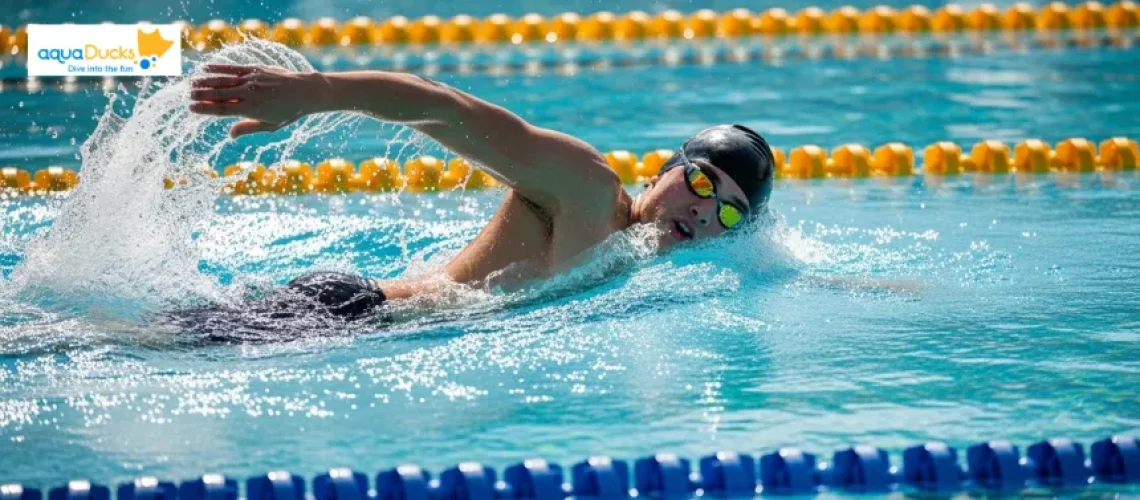
In Singapore, it’s easy to find places to swim, from neighbourhood HDB pools to beaches near Sentosa and East Coast Park. But when it comes to getting into the water, many people still feel unsure where to begin.
Some adults never had the chance to learn swimming properly when they were younger. Some parents want their children to learn how to swim, but aren’t sure what skills or swimming strokes beginners should start with. Others can float and move around, but aren’t confident they’re doing it right.
Swimming becomes much easier once you understand the basics. Most beginner swimmers start with four main strokes, the same ones commonly taught in swimming lessons across Singapore.
Once you know how these strokes work, swimming starts to feel smoother, more natural, and much more enjoyable.
The 4 Main Swimming Strokes Every Beginner Should Learn
When people talk about swimming strokes for beginners, they are usually referring to four classic techniques. Each one teaches important skills like breathing, balance, and coordination in the water.
1. Freestyle (Front Crawl)
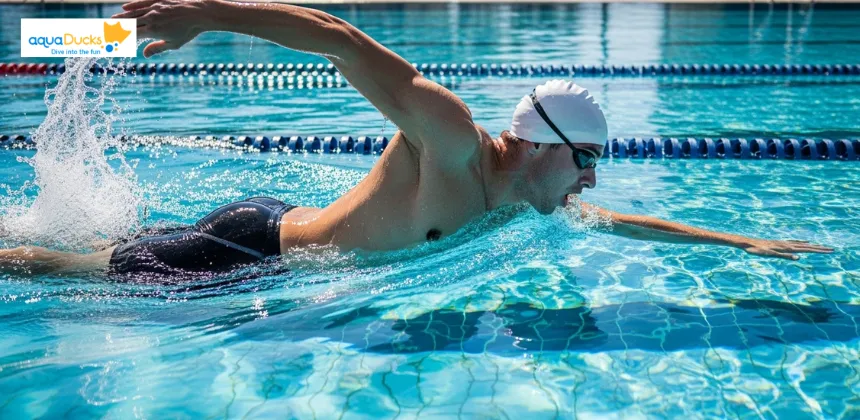
Freestyle swimming, also known as the front crawl, is the stroke most swimmers use when they want to move quickly through the water. If you watch people doing laps at public pools around Singapore, this is usually the technique you’ll see. The stroke keeps the body long and streamlined, helping swimmers move smoothly from one end of the pool to the other. Because it’s easy to build a rhythm with practice, freestyle is often the first stroke taught in swimming lessons in Singapore for beginners.
Benefits of Freestyle
- Fast and efficient: great for swimming laps and covering longer distances.
- Full-body workout: your shoulders, core, and legs all work together.
- Builds swimming endurance: the steady rhythm helps improve stamina over time.
How to Do Freestyle
Start by reaching one arm forward into the water while the other arm pulls back toward your hip. Your arms should move one after the other in a smooth, steady rhythm. At the same time, kick your legs lightly up and down in a flutter motion. When you need to breathe, turn your head gently to the side instead of lifting it straight up. Keeping your body long and relaxed will help you glide through the water more easily.
2. Backstroke
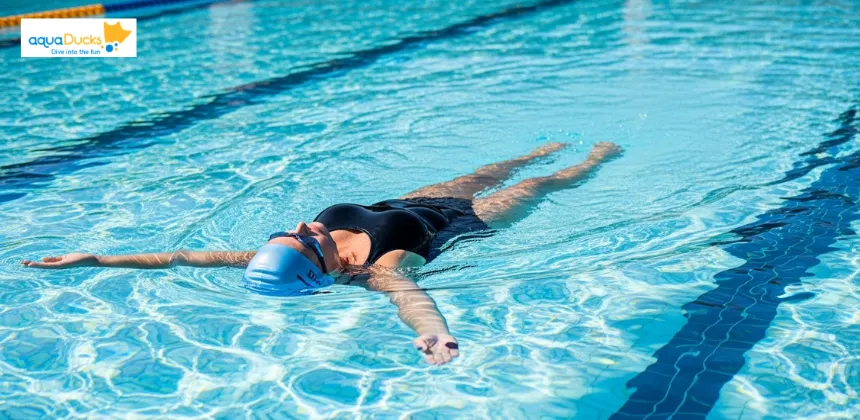
Backstroke swimming is especially popular with people who feel uneasy putting their face in the water. Your face stays above the surface the whole time, which means breathing feels natural and relaxed. Because you don’t need to worry about turning your head to breathe, many beginners feel comfortable learning this stroke once they gain basic water confidence.
Benefits of Backstroke
- Easy breathing: your face remains above the water the whole time.
- Good for posture: the open body position stretches the chest and shoulders.
- Comfortable pace: many swimmers use it as a relaxed stroke between faster laps.
How to Do Backstroke
Lie on your back with your body stretched out and your ears slightly in the water. Begin moving your arms in an alternating motion, lifting one arm out of the water while the other pulls underwater toward your hip. Keep your legs kicking gently in a flutter motion to maintain balance. Try to keep your hips close to the surface so your body stays flat and steady.
3. Breaststroke
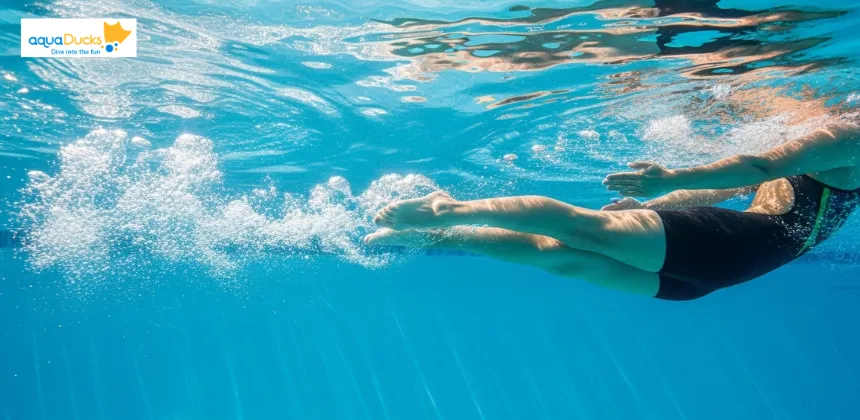
Breaststroke swimming is one of the most recognisable techniques because of its calm, rhythmic style. Many people first learn it as the classic “frog stroke.” Both arms move together in front of the body while the legs perform a frog-like kick behind you. The stroke includes a short glide between movements, which gives breaststroke its relaxed and steady pace.
Benefits of Breaststroke
- Easy to control your speed: swimmers can move slowly or glide comfortably.
- Great for relaxed swimming: ideal for longer swims without rushing.
- Natural breathing pattern: your head lifts out of the water during each stroke.
How to Do Breaststroke
Begin with your arms stretched forward in the water. Sweep them outward and then pull them back toward your chest. As your arms pull in, lift your head slightly to take a breath. Next, bend your legs and perform a frog kick by pushing your feet outward and snapping them together behind you. After the kick, stretch forward and glide briefly before starting the next stroke.
4. Butterfly Stroke
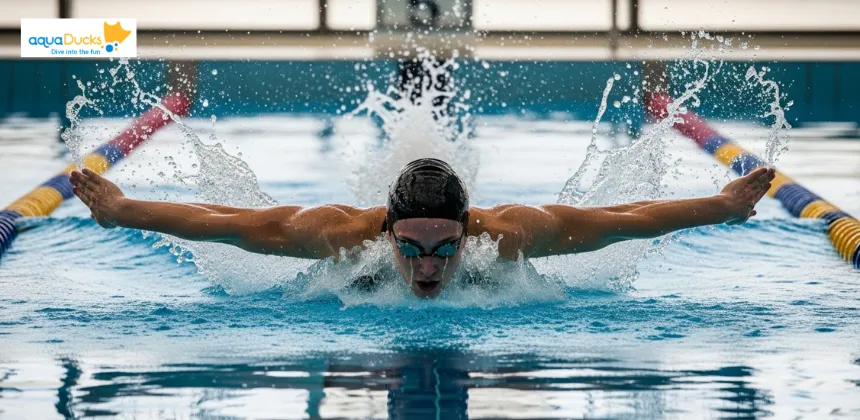
Butterfly stroke swimming is the most powerful and demanding of the four main techniques. Both arms move together in a wide sweeping motion over the water while the body moves in a wave-like rhythm. Instead of alternating kicks, the swimmer uses a dolphin kick where both legs move together. Because it requires strength and timing, the butterfly is usually learned after swimmers are comfortable with the other strokes.
Benefits of Butterfly Stroke
- Builds strong upper body muscles, especially the shoulders and back.
- Burns a lot of calories: it’s one of the most intense swimming workouts for cardiovascular health.
- Improves coordination: the stroke trains the whole body to move in rhythm.
How to Do Butterfly Stroke
Bring both arms forward over the water and place them into the water together in front of you. As your arms pull down and back, press your chest slightly downward so your body creates a wave-like motion. At the same time, perform a dolphin kick by moving both legs together from the hips. Lift your head forward to breathe as your arms recover, then return your face to the water to continue the rhythm.
Other Types of Swimming Strokes Worth Knowing About
Beyond the core four, there are a few other swimming strokes you might come across, especially as you get more comfortable in the water.
Sidestroke
Sidestroke is performed while lying on one side in the water. One arm pulls while the other guides forward, and the legs perform a scissor kick. Because the movement is calm and energy-efficient, this stroke is still used in lifeguard training today.
Elementary Backstroke
Elementary backstroke is a slower and simpler version of backstroke. The swimmer stays on their back but uses a frog kick and sweeping arm motion. It’s often taught to children and nervous beginners who need extra time to feel comfortable in the water.
Trudgen Stroke
The Trudgen stroke is an older swimming style that combines an overarm freestyle motion with a scissor kick. It was once used in competitive swimming but is rarely taught today. Still, it’s an interesting part of swimming history.
Combat Sidestroke
Combat sidestroke was developed for military swimmers. The technique keeps the swimmer low in the water and helps conserve energy over long distances. While it isn’t typically taught to beginners, it shows how swimming strokes can be adapted for different purposes.
How to Teach Children Different Swimming Strokes
When teaching children to swim, the most important thing is helping them feel comfortable in the water first. Kids learn much faster when they are relaxed and having fun rather than feeling pressured to get every movement perfect.
Many children start by practising simple skills like kicking, floating, and blowing bubbles. Once they feel confident, it becomes easier to introduce basic arm movements and breathing patterns. Over time, these small steps naturally grow into proper swimming strokes.
It also helps when children watch others swim. Seeing older kids or adults moving across the pool often encourages them to try the same motions themselves. Before long, they begin experimenting with kicking on their backs or reaching forward with their arms.
For parents who want more structured guidance, professional programmes can help children learn the correct technique step by step. aquaDucks’ Children’s learn to Swim Lessons introduces kids to the four main strokes, freestyle, breaststroke, backstroke, and butterfly, while building water confidence along the way.
How to Choose the Right Swimming Stroke to Start With
Start With Freestyle or Breaststroke
Freestyle and breaststroke are the easiest strokes for beginners to start with. Both help new swimmers learn how to move comfortably through the water while building confidence. These two strokes are also the most commonly taught techniques in beginner swimming programmes across Singapore.
A Simple Progression Plan for Singapore Beginners
Not sure how to structure your learning? This simple plan gives you a clear path forward:
| Timeframe | Focus |
| Week 1–2 | Water comfort and flutter kicks |
| Week 3–4 | Learn freestyle basics |
| Week 5–6 | Add breaststroke technique |
| Month 2+ | Try backstroke, then butterfly |
Learning step by step makes swimming feel less overwhelming and much more enjoyable.
Tips to Get Better at Swimming Strokes Faster
1. Keep Sessions Short but Focused
A focused 20–30 minute practice session often works better than swimming aimlessly for a long time. Pick one stroke and practise it carefully so you can improve your technique with each lap.
2. Drill Before You Swim
Kicking drills, arm drills, and breathing drills help build muscle memory. Many pools provide kickboards that make these exercises easier and help you focus on one part of the stroke at a time.
3. Join a Class
Structured lessons can make a big difference, especially in the early stages. A good coach can spot mistakes early and help you correct them before they become habits. Look for a swimming school in Singapore with small class sizes and instructors who focus on proper technique.
4. Practise Consistently
Two to three swim sessions each week work well for most beginners. Progress may feel slow at first, but with regular practice, your movements will start to feel smoother and more natural.
Conclusion
Every swimmer starts somewhere. Whether you’re stepping into a pool for the first time or helping your child build confidence in the water, understanding the right strokes makes the experience far more enjoyable. The four main strokes each offer something different: speed, ease, rhythm, or strength, and together they give you the skills you need to feel comfortable in the water.
Take it one stroke at a time, keep showing up, and give yourself room to improve. Stick with it; the water gets friendlier every time you return.
If your child is ready to take their swimming further, book a trial with aquaDucks and see the difference the right coaching can make.
FAQs
1. How many swimming strokes are there, and what are they?
Swimming strokes are the different ways you move your arms and legs to swim through the water. There are eight main strokes in total, but most beginners focus on the four main ones: freestyle, backstroke, breaststroke, and butterfly. The other four, sidestroke, elementary backstroke, Trudgen, and combat sidestroke, are less common and usually taught for special purposes.
2. Which swimming stroke is easiest for beginners?
For most people, freestyle and breaststroke are the easiest to pick up first. They both have a forgiving learning curve and don’t require as much coordination as backstroke or butterfly.
3. Which swimming stroke is the fastest?
Freestyle is the fastest stroke. Its alternating arm movements and steady flutter kick let you cover distance quickly. That’s why it’s the most common stroke in lap swimming and competitive races.
4. Which swimming stroke burns the most calories?
Butterfly burns the most calories because it engages your whole body with strong arm movements and a dolphin kick. Freestyle also burns a lot, especially when swimming longer distances. Breaststroke and backstroke burn fewer calories but are still great for fitness and endurance.
5. Can adults learn swimming strokes from scratch?
Yes. Many swimming schools and community programmes offer beginner-friendly classes for adults. These lessons usually start with water confidence and basic floating skills, then teach proper stroke technique step by step. With consistent practice, adults can learn all four main strokes, even if they’ve never swum before.