
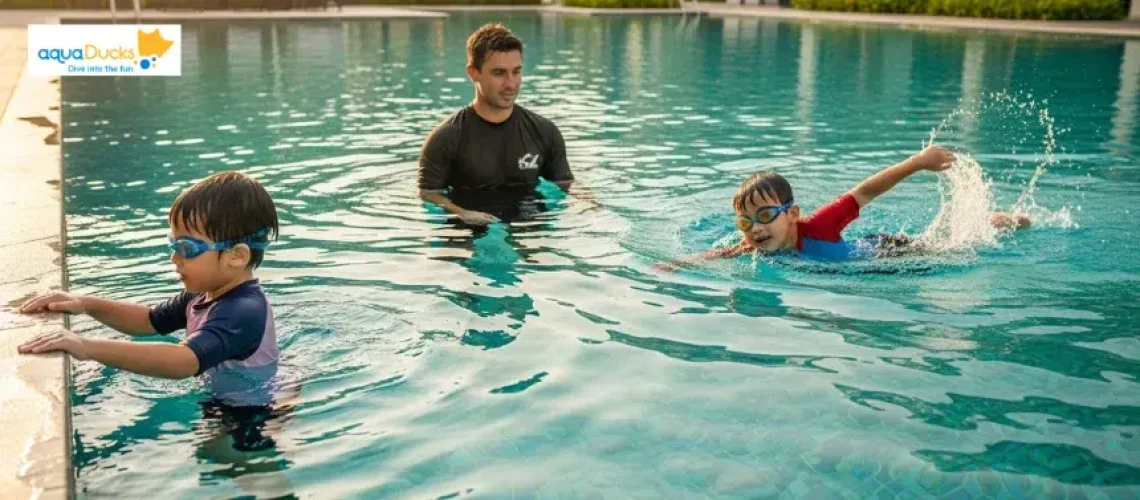
Learning how to swim is an important life skill for both children and adults. In Singapore, swimming is especially common because many schools, condominiums, and community centres have swimming pools. For many kids, swimming starts at a young age, while adults often begin later for fitness, safety, or confidence in water.
Even though swimming looks simple when experienced swimmers move through the water smoothly, beginners often find it challenging at first. Breathing, floating, kicking, and moving arms at the same time can feel confusing. Some children may also feel nervous when they first enter the pool.
As expert swimming coaches in Singapore, we provide this structured and beginner-friendly swimming guide to help kids and adults learn how to swim step by step and build confidence in the water.
Getting Comfortable in the Water First
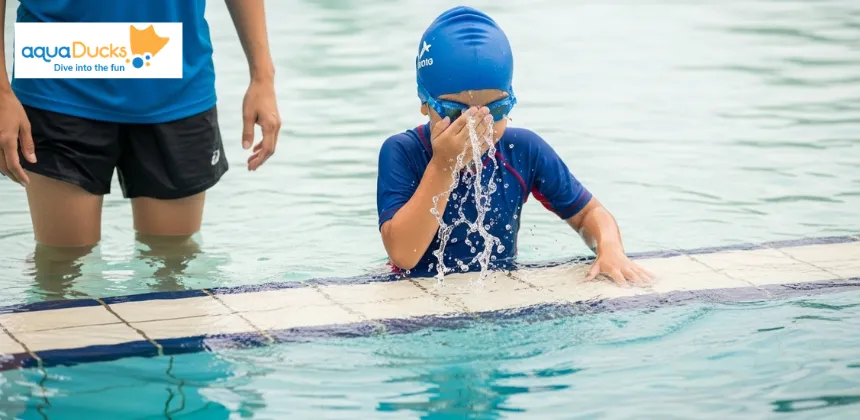
Before learning any swimming techniques, the most important step is becoming comfortable in the water. This stage is often overlooked, but it plays a big role in how quickly a beginner learns swimming.
Many beginners, especially young children, feel unsure when their face or head touches the water. This fear is completely normal. The aim at this stage is not to swim but to relax and feel safe.
A good way to start is by standing in the shallow end of the pool. Children can walk around slowly, splash water on their arms, or gently wet their faces. This helps the body adjust to the water environment.
Holding onto the pool wall also helps beginners feel secure. Parents or instructors often encourage simple games in shallow water so that children associate swimming with something enjoyable rather than stressful. When the fear reduces, learning becomes much easier.
Learning How to Float in Water
Floating is one of the most important basic swimming skills. It teaches the body how to stay on water without sinking and helps beginners understand balance in the pool.
There are two main types of floating: front floating and back floating.
Front floating involves lying face down in the water with arms stretched forward. The body should remain relaxed and straight. Many beginners initially struggle because they try to stay stiff, but floating only works when the body is calm and loose.
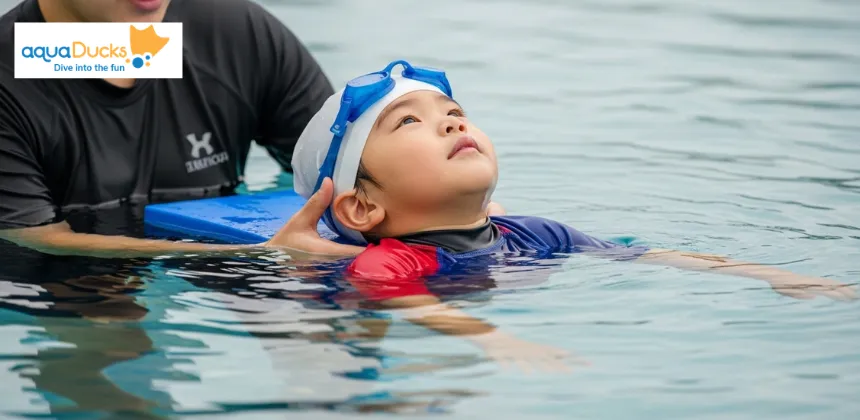
Back floating is usually easier for most people. In this position, the swimmer lies on their back, keeps their ears in the water, and looks upwards. The body slowly rises to the surface when it is relaxed.
For kids, instructors often support the back or shoulders at first until they feel safe. Over time, they learn to float independently. Floating is not just a swimming skill; it is also a safety skill because it helps a person stay afloat if they unexpectedly fall into the water.
Understanding Proper Breathing Techniques
Breathing is one of the most important parts of learning how to swim. Many beginners struggle because they hold their breath underwater or panic when their face goes into the water.
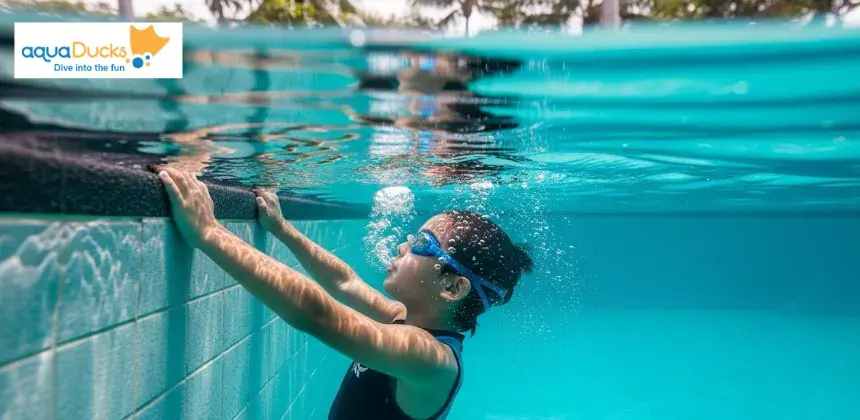
A simple breathing practice helps solve this problem. Beginners can stand near the pool wall and place their face in the water. While underwater, they should slowly blow bubbles through the mouth and nose. This teaches the body to exhale naturally in water.
After that, they lift their head, take a breath, and repeat the process. This breathing rhythm helps beginners stay calm and controlled.
In swimming for beginners, breathing should feel natural and relaxed. Once this skill is learned properly, other swimming movements like kicking and arm strokes become much easier to coordinate.
Basic Kicking Technique for Movement
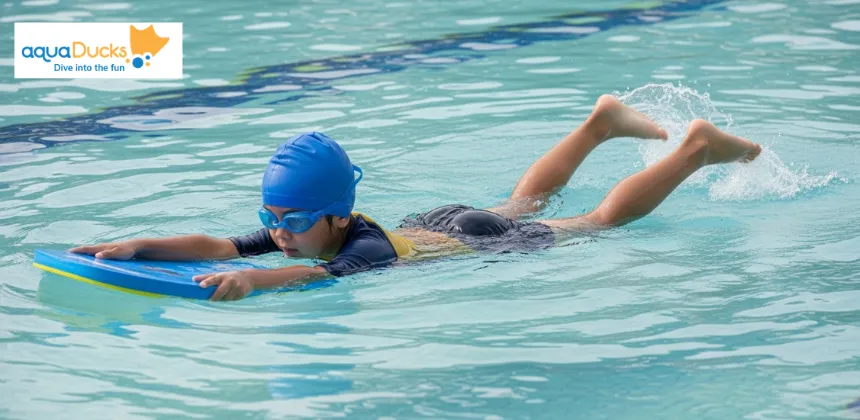
Once breathing and floating feel comfortable, the next step is learning how to move in water using kicking.
Kicking is the main movement that helps the body move forward in water. The most common beginner kick is called the flutter kick, which is used in freestyle swimming.
To practise flutter kicking, Beginners should start by holding the pool edge or using a kickboard for support. Keep your legs straight but relaxed. Make small and continuous kicks instead of big and strong movements. Many beginners make the mistake of bending their knees too much, which slows them down.
In swimming training, especially for kids, kickboards are often used because they help isolate leg movement and build confidence safely.
The goal of kicking practice is not speed — it is consistency and control.
Learning Arm Movements
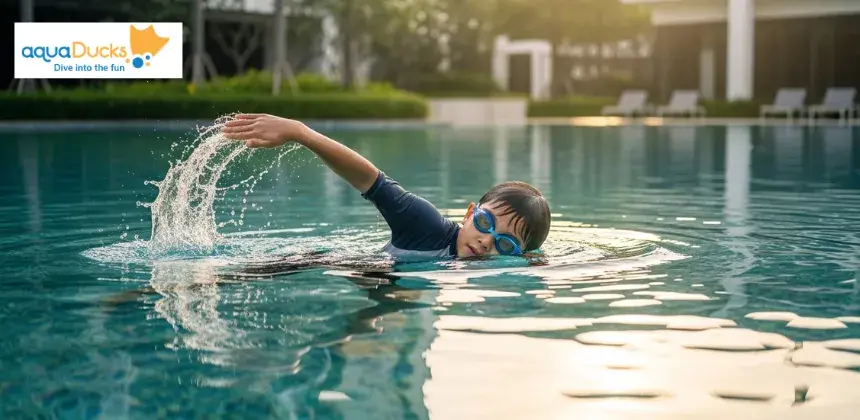
Once kicking and breathing feel more comfortable, beginners can start learning simple arm movements. The most common beginner technique is based on freestyle swimming.
In this movement, one arm stretches forward into the water while the other pulls water backwards. The arms move in a continuous, alternating pattern.
At this stage, speed is not important. The focus should be on coordination and balance. Beginners often find it helpful to practise slowly in shallow water before attempting longer distances.
This is also where swimming strokes begin to develop naturally. Over time, beginners become more comfortable with freestyle, and later they can explore other swimming styles like backstroke and breaststroke.
Combining All Skills Together
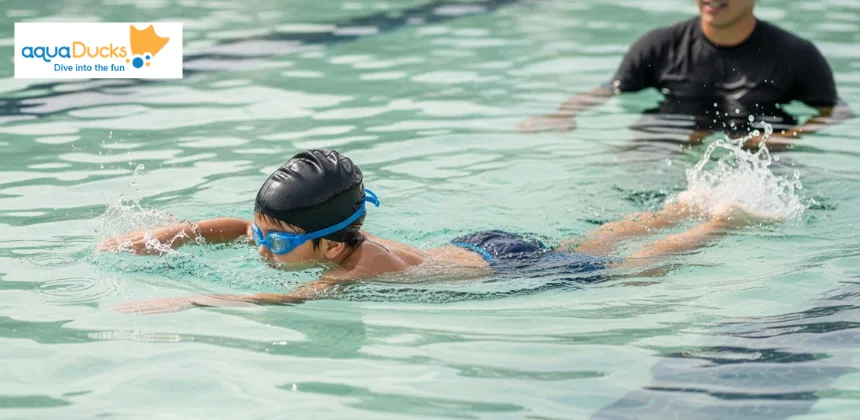
After learning floating, breathing, kicking, and arm movements separately, the next step is combining everything together.
This is where beginners start actual swimming practice. The swimmer begins by kicking continuously while moving arms in a controlled motion. Breathing is added gradually by turning the head to the side when needed.
At first, it is normal to only swim short distances. The body is still learning coordination, so rest breaks are important.
This stage is where swimming training becomes more structured. With practice, movements become smoother and more natural.
Importance of Regular Practice
Swimming is not a skill that is mastered in one day. It requires consistent practice over time.
For kids, regular swimming lessons help them build water confidence and improve faster because they follow a structured learning system. For adults, consistent practice in the pool helps build stamina and comfort.
In Singapore, many families choose swimming lessons for beginners because professional coaches can guide proper technique and reduce fear in the water. Group classes also help children learn in a social and fun environment, while private classes offer more focused attention.
See the benefits of swimming lessons
Common Mistakes Beginners Make
Many beginners struggle because of simple mistakes:
- Holding breath too long
- Panic in water
- Kicking too hard
- Not relaxing body
- Looking forward instead of down
Swimming should feel smooth, not stressful.
How Long Does It Take to Learn Swimming?
Every child is different.
Some children learn basic swimming in a few weeks, while others may take a few months.
Factors that affect learning:
- Practice frequency
- Confidence level
- Quality of lessons
- Comfort in water
Lesson types:
- Private swimming lessons (faster learning)
- Group swimming lessons (slower but fun and social)
The most important thing is consistency.
Swimming Tips for Beginners
Here are some easy swimming tips that can help beginners improve faster in the water:
- Stay relaxed in the water
- Practise breathing before swimming longer distances
- Focus on floating first
- Learn step by step instead of rushing
- Build consistency with regular practice
These small habits help beginners improve faster and feel more confident in the pool.
Conclusion: Anyone Can Learn Swimming
Learning how to swim becomes much easier when it is broken into simple and clear steps. Beginners should start by getting comfortable in water, then move on to floating, breathing, kicking, and basic arm movements before combining everything into full swimming.
For kids, especially, a structured learning environment helps build confidence and improves skills faster. In Singapore, swimming is not just a sport but an essential life skill that supports safety, fitness, and overall development.
With patience, practice, and proper guidance, anyone can learn how to swim confidently and enjoy time in the water.
Frequently Asked Questions (FAQs)
1. What is the best age for kids to start swimming
Most swimming coaches in Singapore recommend starting as early as 3 to 5 years old. At this age, children can learn basic water confidence like floating, kicking, and breathing in a fun and safe way.
2. How many swimming lessons do beginners usually need?
It depends on the learner’s confidence and practice. Some beginners understand basic skills within 6–10 lessons, while others may need more time for full coordination and comfort in water.
4. What are the basic swimming skills every beginner should learn?
The basic swimming skills include floating, breathing control, kicking, arm coordination, and simple strokes like freestyle. These skills help beginners feel comfortable in water and slowly learn how to move and swim safely.
5. What should beginners wear for swimming practice?
Beginners should wear a comfortable swimsuit, swimming goggles, and, optionally, a swim cap. Goggles are especially helpful for kids as they reduce eye discomfort underwater.